The Five Ayurvedic Detox Actions
Panchakarma is the ultimate therapeutic system of Ayurveda. More than just a routine spa, it is a scientifically ordered medical protocol consisting of five primary actions designed to dislodge, mobilize, and eliminate deep-seated metabolic waste (Ama) and mental stress, resetting your metabolism (Agni) and boosting immunity.
Step 1: Preparing The Body (Purva Karma)
Snehana (Herbal Oleation)
Administration of internal ghee (Snehapana) and external warm oil massages (Abhyanga). This deep-oiling process saturates cells and loosens lipid-soluble toxins sticking to tissues.
Swedana (Herbal Steam Box)
Inducing sweating using herbal-infused steam. The heat dilates bodily channels (Srotas), liquifying the loosened toxins and guiding them to the digestive tract for elimination.
Step 2: The Five Primary Actions (Pradhana Karma)
Explore each procedure below. Click on any panel to view details and access the dedicated procedure page.
Cleansing Kapha Accumulation
Vamana is designed to expel excess Kapha Dosha concentrated in the respiratory passages, stomach, and chest. Medicated decoctions are given to trigger controlled elimination, flushing mucous blocks and cellular congestion.
Best For: Asthma, chronic bronchitis, psoriasis, thyroid disorders, and sluggish metabolism.
View Detailed Vamana Procedure →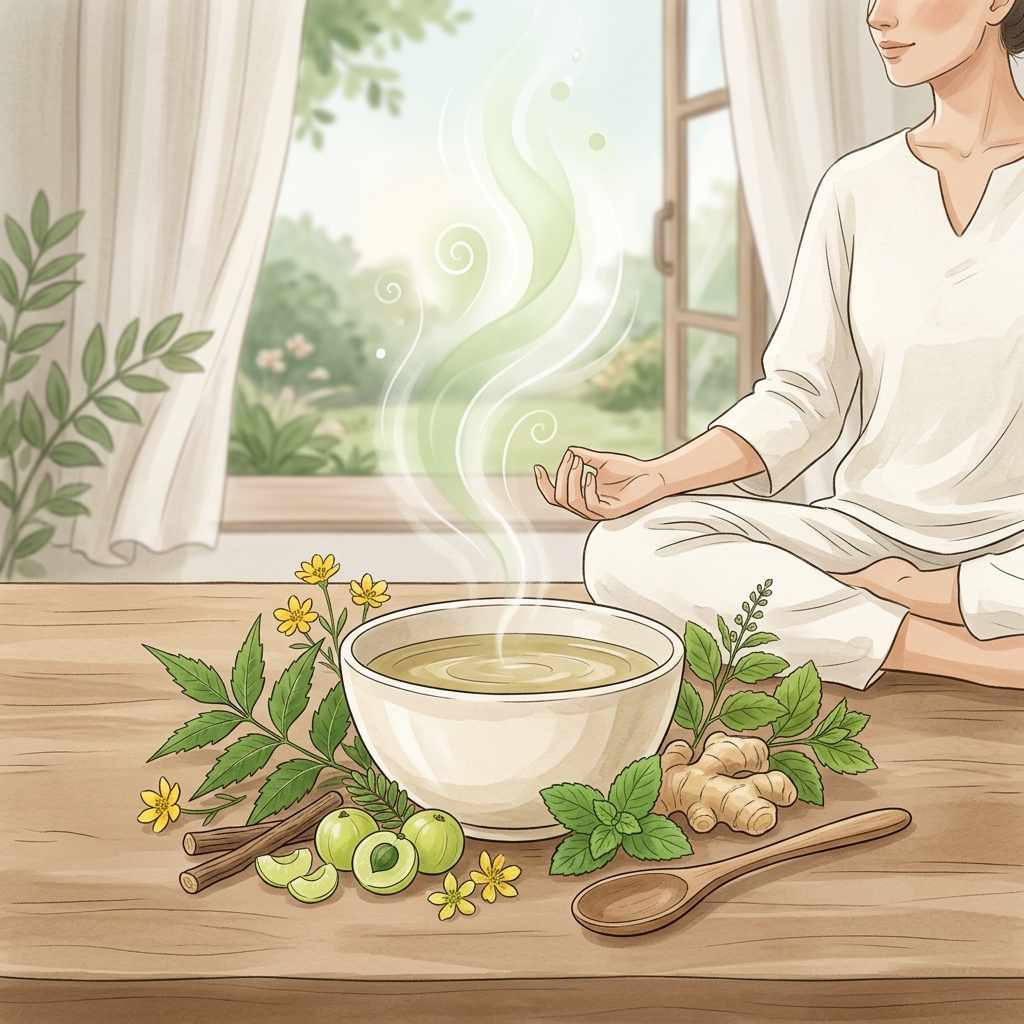
Cleansing Liver, Bile & Small Intestines
Virechana targets excess Pitta Dosha accumulated in the liver, gallbladder, and digestive fire. Medicated herbs induce controlled intestinal flushing, cooling the body and cleansing blood impurities.
Best For: Acidity, eczema, dermatitis, acne, chronic headaches, and inflammatory liver issues.
View Detailed Virechana Procedure →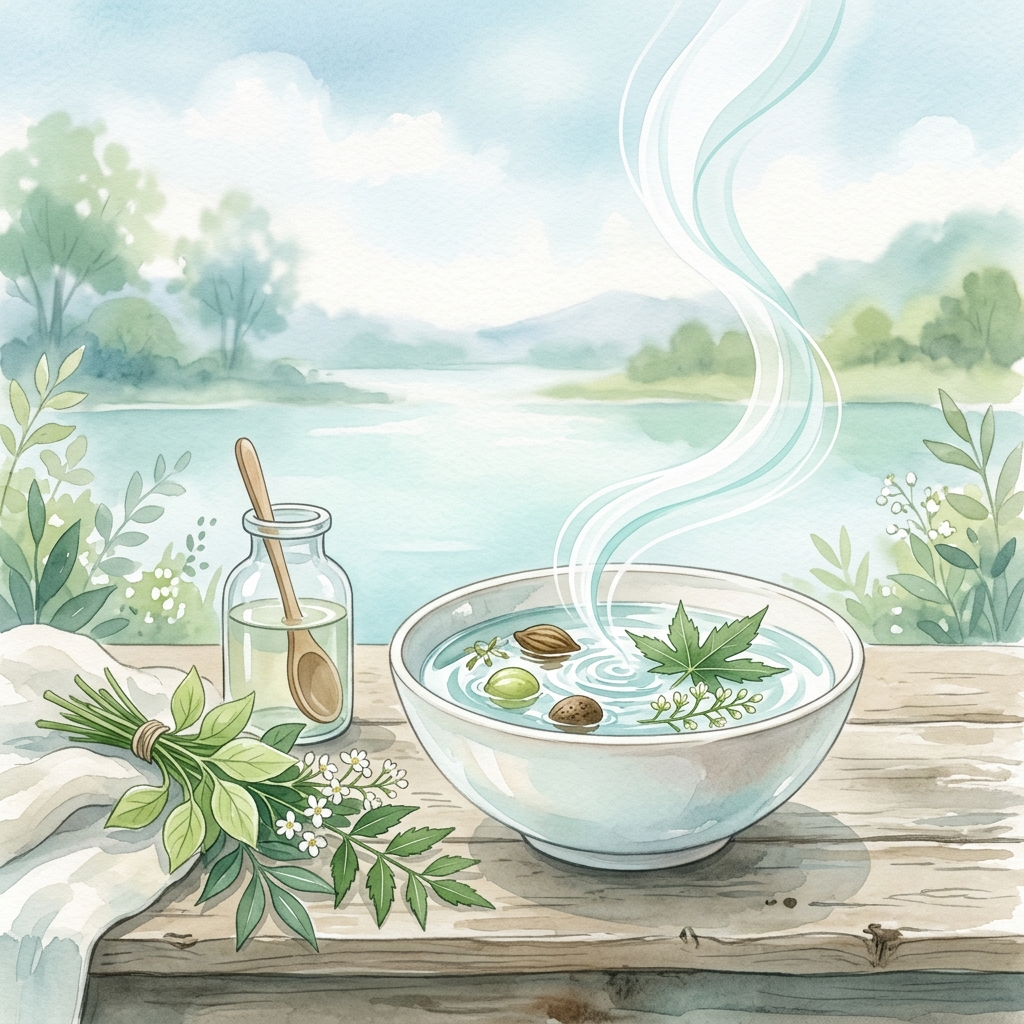
Cleansing & Nourishing the Colon (Mother of Therapies)
Basti controls Vata Dosha, which resides in the colon and regulates all skeletal movement. Medicated oils (Anuvasana) and decoctions (Niruha) are systematically introduced, lubricating joints and skeletal bones directly through the colon walls.
Best For: Osteoarthritis, sciatica, slip disc, cervical spondylosis, and constipation.
View Detailed Basti Procedure →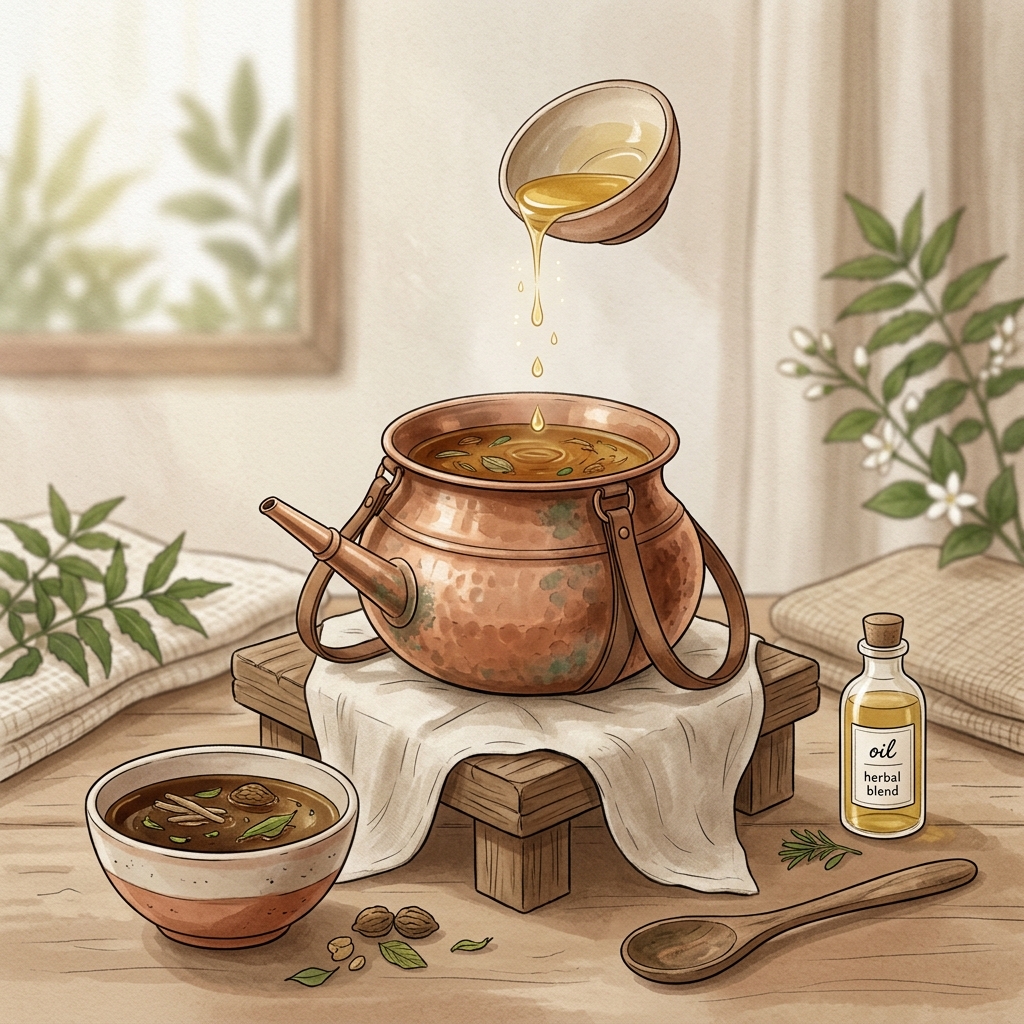
Cleansing Head and Sensory Organs
Nasya involves administering medicated herbal drops through the nasal passage, which is considered the gateway to the brain and sensory centers. It clears congestive pathways, stimulates nervous systems, and nourishes local neck tissues.
Best For: Chronic sinusitis, migraine, neck pain, hair loss, and thyroid dysfunction.
View Detailed Nasya Procedure →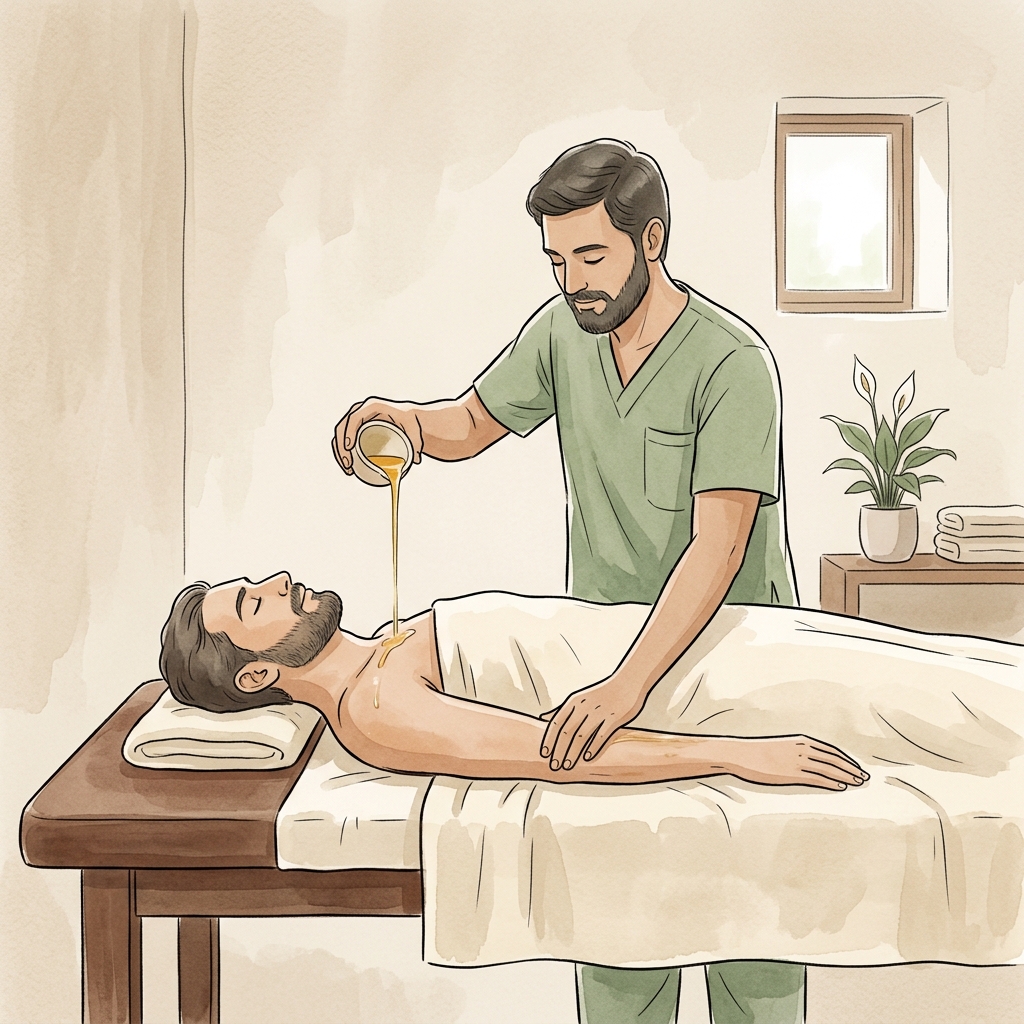
Purifying Deep Blood Toxin Channels
Raktamokshana clears blood-borne toxins (Rakta dusti) that cause stubborn skin and vascular disorders. Safe, localized techniques like Leech Therapy (Jalaukavacharana) extract venous congestion, stimulating healthy microcirculation.
Best For: Varicose veins, eczema, alopecia, persistent acne, and localized swelling.
View Detailed Raktamokshana Procedure →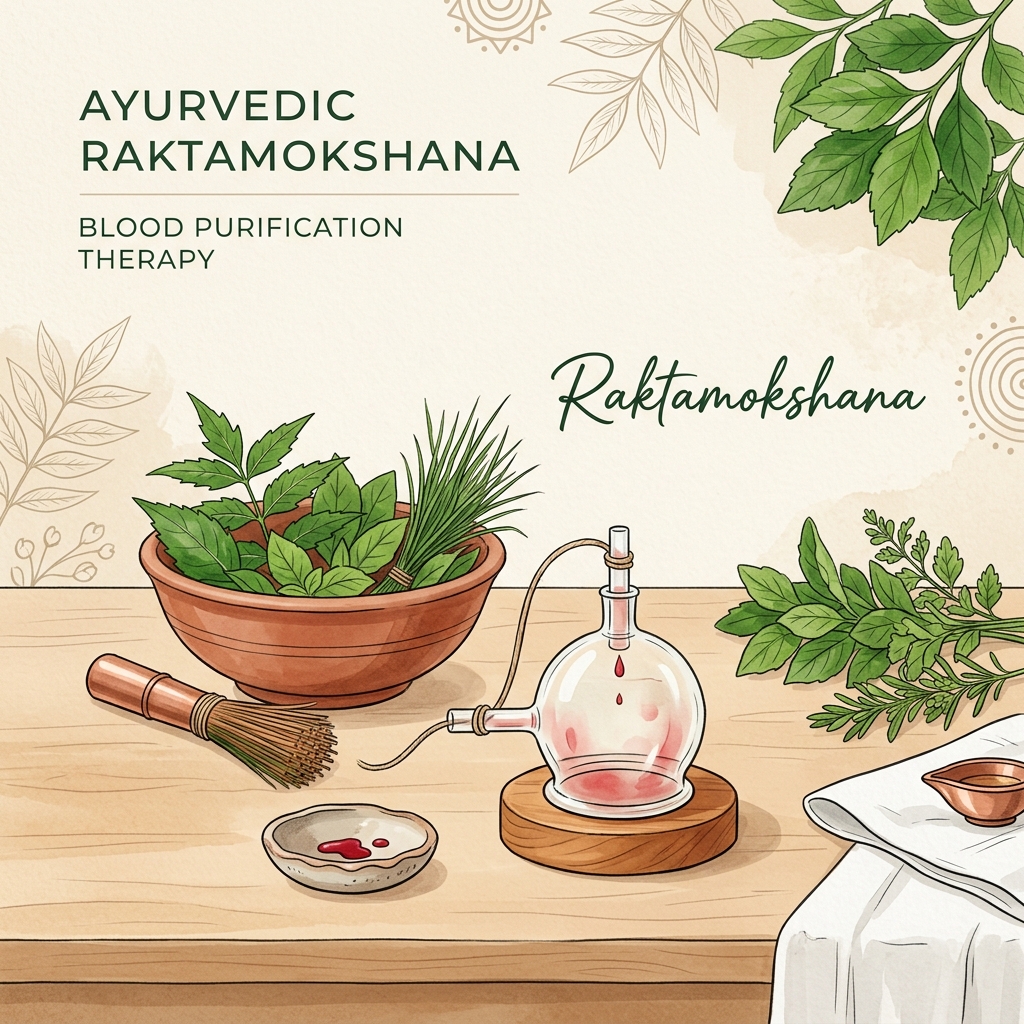
Common Panchakarma Questions
Everything you need to know about starting an authentic Ayurvedic detox program.
